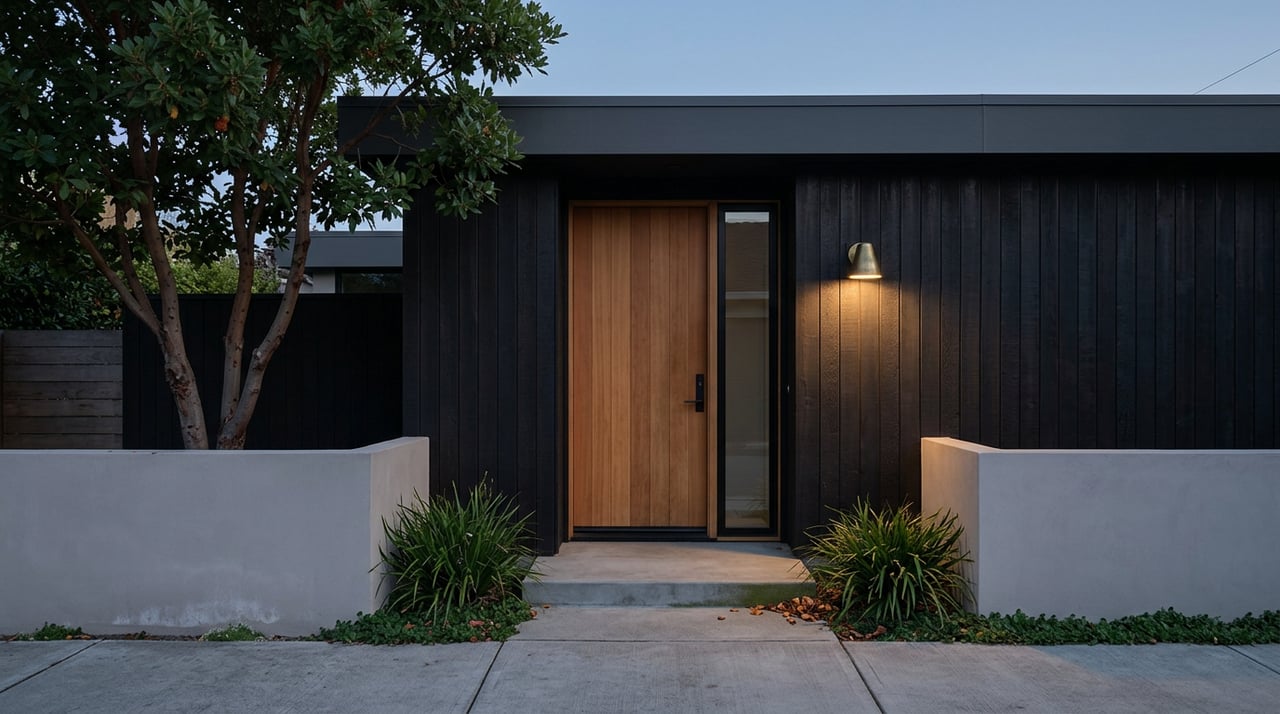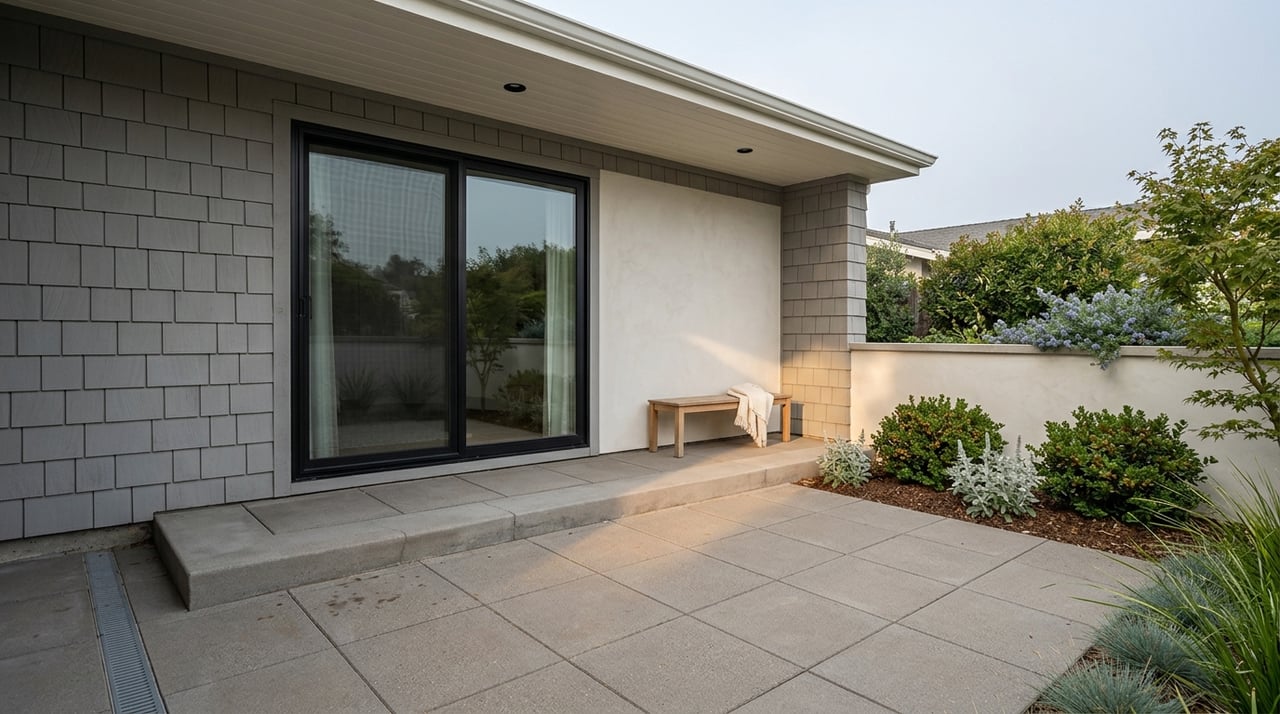
Wondering why one Oakland home feels crisp and breezy while another just a few miles away feels warm and sunny? You are not imagining it. Oakland’s microclimates can shape your day-to-day comfort, your outdoor living habits, and even how a home uses energy. If you are searching in Oakland, understanding those small climate shifts can help you choose a home that fits how you actually live. Let’s dive in.
Why Oakland Feels Different Block to Block
Oakland sits in one of the Bay Area’s most variable microclimate zones. According to UC Agriculture and Natural Resources, Alameda County shows major climate differences over short distances because geography, water influence, and elevation all change local conditions.
That means the same broader metro area can feel very different from one street to the next. In the immediate coastal strip, including Oakland, summers are often cooler and foggier, while hillside areas can form warmer thermal belts and more inland areas can lose some of that marine influence.
Topography is a big reason for this. Nearby water helps moderate temperatures, hills can block or funnel wind, paved surfaces can trap heat, and trees can cool the air. For you as a buyer, that means slope, shade, street exposure, and bay proximity matter just as much as the ZIP code.
What Oakland Weather Looks Like in Real Life
Broad climate data helps set expectations, even if it cannot predict exactly what one block will feel like. NOAA’s 1991 to 2020 climate normals are the standard baseline, and recent Oakland Airport reports show a generally mild maritime pattern with clear seasonal variation.
In July 2025, Oakland Airport recorded an average high of 68.7°F and an average low of 56.4°F, along with average wind speeds of 10.8 mph and five fog days. That same report also showed a normal expectation of two days at or above 90°F in July.
In cooler months, the pattern stays mild but shifts noticeably. February 2026 showed an average high of 62.9°F and average low of 46.1°F, while December 2024 came in with an average high of 62.0°F, average low of 45.9°F, and 19 fog days.
The takeaway is simple. Oakland is mild overall, but not uniform. Even in a cool summer market, heat spikes, breezes, and fog can make two homes a short drive apart feel very different.
How Fog and Bay Breezes Shape Daily Comfort
Much of Oakland’s day-to-day variation comes from the marine layer. The National Weather Service describes marine-layer clouds as low stratus that forms over cool ocean water and moves inland with the wind.
That process helps explain why bayside and shoreline areas often feel cooler, cloudier, and windier. When the marine layer is deep, cloud cover can linger well into the afternoon, especially in areas with stronger coastal influence.
By contrast, hill or more sheltered inland pockets may warm more quickly once the cloud cover clears. So if you are comparing a shoreline condo, a flatland bungalow, and a hillside home, you may be comparing three very different daily weather experiences even though all are in the same city.
What Microclimates Mean for Your Home Search
Microclimates are not just an interesting local fact. They are a practical home search variable. A home’s comfort depends on more than square footage, finishes, or views.
When you tour homes in Oakland, it helps to think about how the property sits on the land. A house near the water may feel cooler and breezier. A more protected property may hold warmth longer. A slope, a row of trees, or nearby buildings can all change how air and sunlight move across the lot.
This matters because your day-to-day experience happens at the property level. The same neighborhood can include homes that feel noticeably different at breakfast, mid-afternoon, or early evening.
Sun Exposure Can Change Everything
One of the biggest comfort drivers is direct sun. UC Agriculture and Natural Resources notes that south- and west-facing walls absorb more solar energy, while north-facing walls tend to stay cooler and shadier.
That can affect how a home feels inside and out. A sunny deck may be perfect for afternoon use in one location, while a similar outdoor space elsewhere may feel too exposed during warmer periods. The orientation of the home and yard can also shape how warm the interior feels by late afternoon.
If outdoor living matters to you, pay close attention to sunlight during the hours you will actually use the space. Morning coffee, after-work dinners, and weekend afternoons can all feel different depending on the home’s exposure.
Wind Shelter and Exposure Matter Too
Wind is not always obvious in a listing photo, but it can have a big effect on comfort. UCANR notes that hills, buildings, and vegetation can change wind exposure, which affects both temperature and moisture.
A home with stronger bay breeze exposure may feel refreshing on a warm day. That same breeze can also make a patio feel cooler than expected or keep certain rooms from heating up quickly.
A more sheltered home may feel calmer and warmer, especially if it also gets good sun. Neither is automatically better. It depends on how you want the home to live.
Outdoor Spaces May Behave Differently Than You Expect
In Oakland, usable outdoor space is not just about size. It is also about how that space performs across the day.
UCANR notes that slopes, shade, paved areas, and vegetation all affect local temperature and comfort. Trees and dense planting can cool the air, while asphalt and concrete tend to hold heat.
That means a leafy backyard, a paved courtyard, and a windswept view deck may all offer very different experiences. If you love entertaining or spending time outside, those details are worth noticing before you make an offer.
Microclimates and Energy Use
Oakland’s mild climate does not mean energy performance is irrelevant. The U.S. Department of Energy notes that heating and cooling account for about half of a typical home’s energy use, and that natural ventilation works best where cool nights and regular breezes are common.
That is especially useful in a place like Oakland, where some homes can benefit from fans and cross-ventilation while others may need more shading or mechanical cooling. A breezier, cooler home may rely less on air conditioning. A sunnier or more protected home may need a different comfort strategy.
This is why it helps to look beyond whether a home simply has AC or not. Insulation, air sealing, window placement, shading, and ventilation all matter when you are trying to understand how the home will actually feel.
Smart Questions to Ask When Touring Homes
If you want to shop with Oakland’s microclimates in mind, focus on practical questions during tours and disclosures review.
Here are a few helpful ones to ask:
- How much direct sun does the home and yard get from late morning through late afternoon?
- Is the property exposed to bay breezes or sheltered by hills, trees, or neighboring buildings?
- Does the home sit near the water, on a slope, or in a more protected pocket?
- Will the home likely feel comfortable with fans and natural ventilation, or will cooling be more important?
- How does the property feel at the times of day you will actually use it most?
These questions can give you a more complete picture than a quick midday showing. They also help you compare homes based on lived comfort, not just finishes and floor plans.
Why Timing Your Visit Helps
A single visit may not tell you the whole story. Marine-layer clouds, sun angle, and afternoon breezes can change the feel of a property over the course of one day.
If possible, try to experience a home at more than one time. A place that feels bright and warm at noon may feel much cooler by early evening. Another home may start the day cloudy and then turn sunny and calm in the afternoon.
This is especially important if you work from home, care a lot about outdoor space, or are sensitive to temperature and wind. The right home is not just the one that looks good. It is the one that fits your daily rhythm.
A More Thoughtful Oakland Search
Oakland’s microclimates are part of what makes the city so dynamic. They can also make your home search more nuanced, because comfort here is deeply tied to location, elevation, sun, and breeze.
When you understand how bay proximity, slope, exposure, and vegetation shape a property, you can make a better decision about what will work for you long term. That is especially true if you are deciding between homes that seem similar on paper but feel completely different in person.
If you want a home search that looks beyond the listing sheet and pays attention to how a property really lives, Karthiga Anandan can help you build a more informed, neighborhood-aware strategy.
FAQs
How do Oakland microclimates affect home comfort?
- Oakland microclimates can change how warm, cool, foggy, breezy, or sunny a home feels based on bay proximity, elevation, slope, shade, and wind exposure.
Why are some Oakland neighborhoods foggier than others?
- Marine-layer clouds and onshore breezes tend to affect bayside and shoreline areas more strongly, which can make them feel cooler and cloudier for longer parts of the day.
Do Oakland hills feel different from flats or shoreline areas?
- Yes. UCANR notes that hillside areas can form warmer thermal belts, while coastal areas tend to be cooler and foggier because of stronger marine influence.
Should you visit an Oakland home at different times of day?
- Yes. Fog, sun exposure, and afternoon breezes can change how a home feels from morning to evening, so multiple visits can give you a better sense of daily comfort.
What should buyers look for in an Oakland microclimate?
- Pay attention to direct sun, wind exposure, nearby water, slope, vegetation, and whether the home will likely feel comfortable during the hours you plan to use it most.