If you are selling in Piedmont, you usually do not get a long runway to impress buyers. In a market where homes can attract multiple offers and sell quickly, the work that happens before your home goes live can shape both price and terms. This is where smart preparation matters most, and this guide will show you how to focus on the updates, logistics, and presentation choices that support premium offers. Let’s dive in.
Why prep matters in Piedmont
Piedmont is a high-value, fast-moving market, but speed does not mean you can skip the groundwork. Redfin’s March 2026 snapshot says homes receive 6 offers on average, sell in around 12 days, and had a median sale price of $3.0M.
That short marketing window changes how sellers should think about preparation. Instead of planning to “see how the market responds,” you are usually better served by finishing the key work before launch so buyers see a polished, credible, move-in-ready home from day one.
Start with the biggest visual wins
When sellers ask where to begin, the highest-return tasks are often the simplest. The 2025 NAR staging report says buyers respond strongly to homes that feel clean, open, and easy to understand.
According to that report, the most common recommendations from agents are decluttering, cleaning, and improving curb appeal. NAR also notes that staging helps buyers visualize a home, which is especially important in a premium market where expectations are high.
Declutter before you decorate
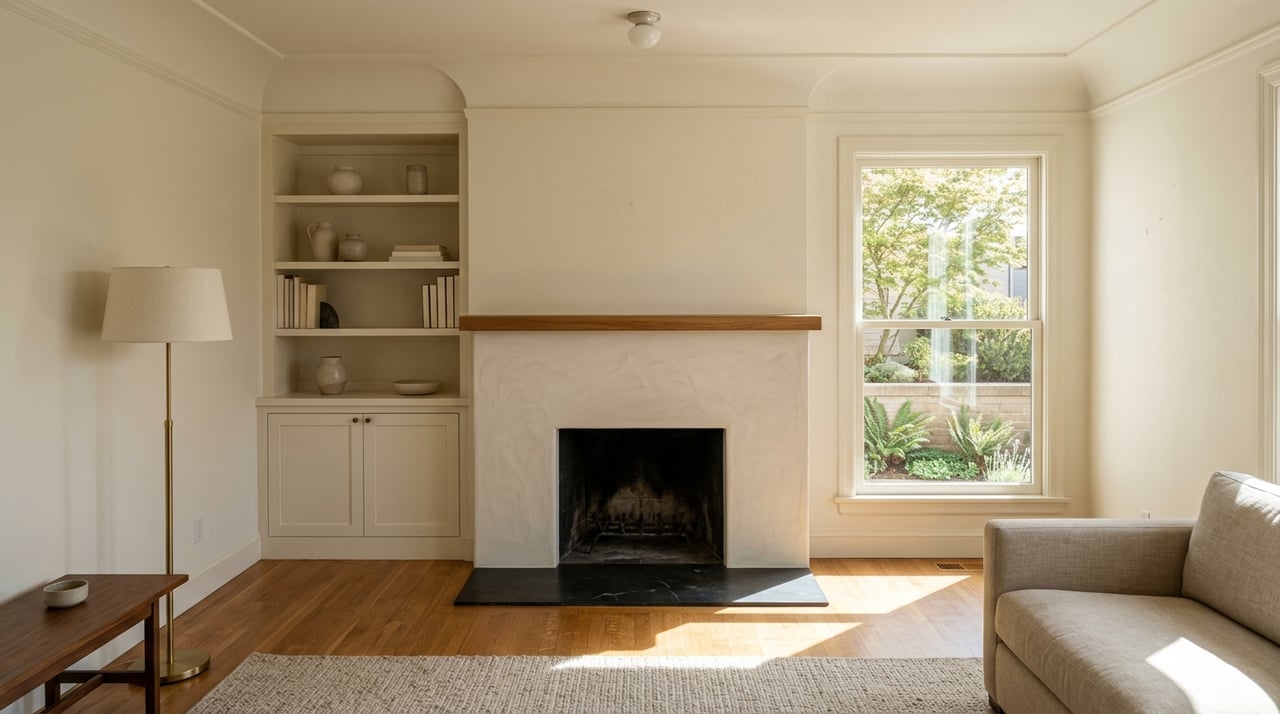
Before you think about furniture placement or accessories, remove distractions. Packed shelves, crowded surfaces, full closets, and oversized furniture can make rooms feel smaller and less calm.
NAR’s consumer guidance recommends neutral paint, removing bulky furniture, using fresh linens, and keeping closets about half full. The goal is not to erase your home’s character. It is to help buyers focus on the space, light, layout, and condition.
Clean like the photos matter
In a market like Piedmont, buyers often form their first impression online. NAR reports that buyers’ agents view photos, physical staging, videos, and virtual tours as highly important.
That means deep cleaning is not a finishing touch. It is part of your marketing strategy. Floors, windows, counters, tile, grout, fixtures, and baseboards should all read as well-maintained in person and on camera.
Prioritize the rooms buyers notice most
Not every room needs the same level of effort. NAR says the living room, primary bedroom, and kitchen are the most important rooms to stage, and they are also the rooms staged most often.
If you are balancing budget, time, or the reality of still living in the home, start there. A strong first impression in the main gathering spaces can do more for buyer confidence than trying to perfect every corner.
Repair what buyers will spot right away
Premium buyers often notice small condition issues quickly. Chipped paint, cracked caulk, tired trim, dated light fixtures, and visible wear can create doubt that goes beyond the actual cost of the repair.
The best pre-sale repair list is usually practical and visible. Focus on patching, paint touch-ups, refreshed trim, working hardware, updated lighting where needed, and any obvious defects that interrupt the home’s overall polish.
Think in terms of credibility
Every visible defect can raise a bigger question in a buyer’s mind. If a seller skipped the simple fixes, buyers may wonder what else has been deferred.
That is why modest repairs often carry outsized value. They help communicate that the home has been cared for, and that confidence can support stronger offers.
Consider partial staging if you still live there
You do not always need to empty the whole house to improve presentation. NAR recognizes that staging can take different forms, including in-person consultations, virtual staging, and more selective approaches.
If you are still occupying the property, partial staging or staged common areas can be a practical middle ground. You get a cleaner market-ready look without turning daily life upside down.
Don’t overlook fire-hardening and exterior readiness
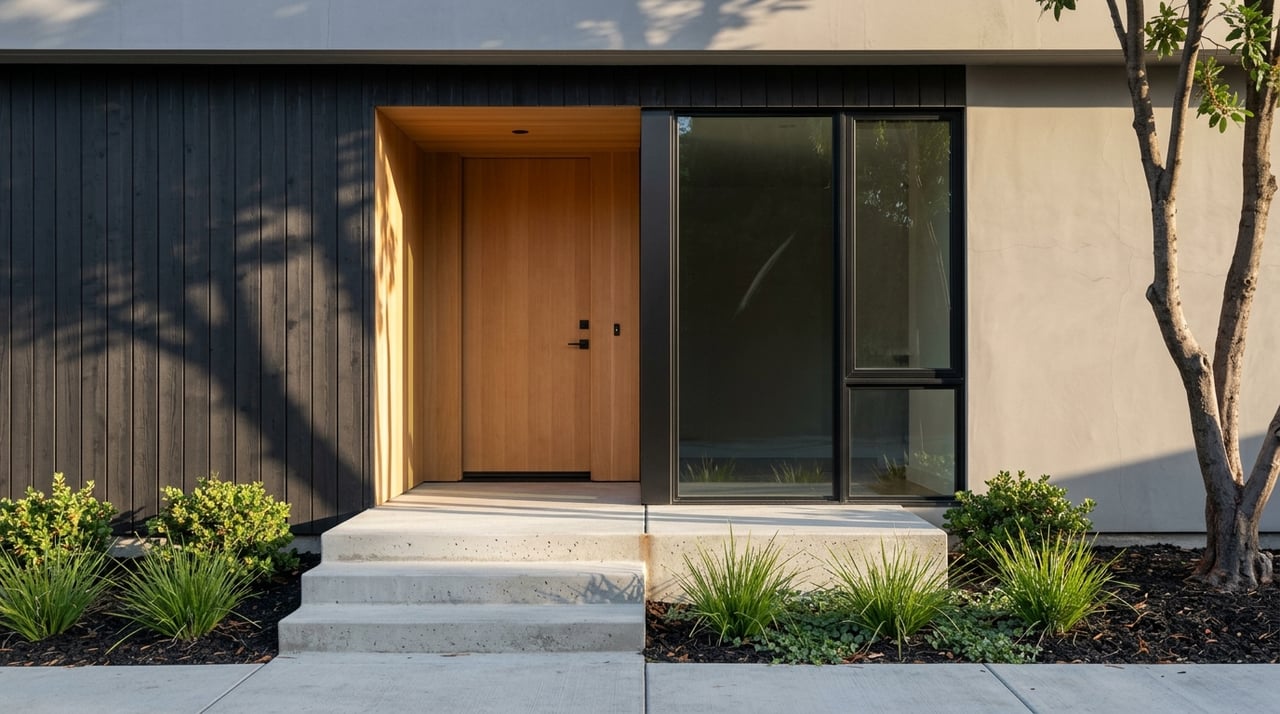
In Piedmont, exterior presentation is about more than looks alone. The city council designated all of Piedmont as a Wildland Urban Interface area on December 1, 2025 and adopted the state’s new WUI fire code. The city says steep terrain, mature vegetation, and closely spaced homes make the community susceptible to wildfire.
For sellers, that makes curb appeal and fire-readiness part of the same conversation. Buyers may pay close attention to both visual maintenance and visible risk-reduction steps.
Focus on the most visible hardening elements
CAL FIRE defines home hardening as using construction features, materials, and maintenance practices that increase resistance to ignition from flame, radiant heat, and embers. The most visible priorities for many sellers include the roof, gutters, vents, eaves, siding, and windows.
Piedmont’s own guidance also points to measures such as enclosing eaves, adding non-combustible material at the bottom of exterior walls, upgrading to a Class A roof when replacement is due, creating a 5-foot ember-resistant Zone 0, and using multi-paned glass or shutters.
Keep the perimeter tidy and defensible
CAL FIRE says the best wildfire readiness comes from a combination of home hardening and defensible space. That includes keeping combustible materials away from the home and maintaining low grass and debris-free perimeter areas.
From a selling perspective, this can also improve first impressions. A clean exterior, trimmed landscaping, and orderly perimeter signal care, reduce visual noise, and align with what many buyers now expect in hillside and vegetation-rich areas.
Know when a project is too big for pre-list timing
Some fire-hardening improvements are simple maintenance items. Others may involve longer planning, permits, and construction schedules.
Piedmont notes that bigger projects may require planning and permits over a longer timeline. If a major exterior upgrade will delay your launch, it may make more sense to address the easy, visible items now and price or disclose the larger project appropriately.
Understand permits before work begins
One of the most common pre-sale mistakes is starting work without checking whether the city needs to review it. In Piedmont, permit timing can affect your listing calendar more than many sellers expect.
The city uses eTRAKiT for planning and building permits, and paper or email applications are no longer accepted for most permit types. Simple building permits may be approved in about a month, while more complex projects often take 2 to 8 weeks for initial review. Planning permits can take several weeks or months.
Some work may not need planning review
Not every project triggers the same level of approval. The city says interior remodeling that does not change the building’s use or exterior form, normal repairs and maintenance, and certain fence, roof, skylight, exterior wall, EV charger, and equipment replacements may not require a planning permit if they meet city criteria.
That said, sellers should verify before making assumptions. A quick check early in the process can help you avoid delays, scope changes, or paperwork issues just as you are getting ready to list.
Decide early what is worth doing
Because permit review can take weeks or longer, timing matters. Exterior work and systems work should be evaluated early so you can decide whether the improvement supports your launch or becomes a project better left for the next owner.
In many cases, the smartest approach is to finish the permit-sensitive work first, then move into cosmetic refresh and marketing prep. That keeps your timeline more predictable and reduces last-minute surprises.
Build your disclosure package early
A premium launch is not just about appearance. It is also about reducing uncertainty.
California’s Real Estate Transfer Disclosure Statement is not a warranty and is not a substitute for inspections, but it plays an important role in giving buyers meaningful information about the property’s condition. The California Department of Real Estate also says listing and selling brokers must each conduct a reasonably competent and diligent visual inspection of accessible areas.
Verify hazard information by parcel
The California Geological Survey says the Natural Hazards Disclosure Act requires disclosure when a property lies within mapped hazard areas, including seismic hazard zones and earthquake fault zones. In a place like Piedmont, parcel-by-parcel verification is especially important.
This matters for hillside homes and properties with more complex terrain, but it is good practice for any seller. Buyers place a premium on clarity, especially when they are making fast decisions in a competitive environment.
Be precise about fire-related disclosures
Fire disclosure should be handled carefully and based on the specific property. Alameda County Fire Department states that defensible-space disclosure is required for residential sales in high or very high fire hazard severity zones.
At the same time, Piedmont’s November 2025 council report says the state no longer designates any portion of the city as a Very High Fire Hazard Severity Zone. That is why it is important to verify the requirements for your parcel rather than assume the same rule applies citywide.
A smart pre-list timeline for premium offers
In a market where homes can sell in about 12 days, the best seller workflow is usually front-loaded. You want the house, paperwork, and marketing assets ready before buyers ever see the listing.
A sensible sequence looks like this:
- Assess the home’s condition and set priorities.
- Identify any permit-sensitive work early.
- Complete repairs and approved improvements.
- Declutter, clean, and refresh finishes.
- Stage the key rooms.
- Prepare photography and other marketing assets.
- Assemble disclosures and verify property-specific reports.
- Launch with a complete, polished presentation.
This process turns uncertainty into confidence. Buyers are often more comfortable writing strong offers when the home looks cared for, the visible maintenance is under control, and the disclosure story feels organized and complete.
What premium preparation really means
Preparing a Piedmont home for premium offers does not always mean taking on a major renovation. More often, it means making disciplined choices about what buyers will see, what they will question, and what will help them feel confident enough to compete.
That usually starts with decluttering, cleaning, repairs, and strong staging. In Piedmont, it can also mean paying close attention to fire-hardening visibility, exterior maintenance, permit timing, and a thorough disclosure package.
When those pieces come together, your home is better positioned to stand out in a market where first impressions carry real financial weight. If you want a tailored prep plan, vendor coordination, and a launch strategy built for Piedmont’s pace, Karthiga Anandan can help you prepare thoughtfully and bring your home to market with confidence.
FAQs
What should sellers fix before listing a home in Piedmont?
- Focus first on visible issues that affect buyer confidence, such as paint touch-ups, patching, trim, caulk, worn fixtures, lighting, deep cleaning, and curb appeal.
Does every pre-sale project in Piedmont need a permit?
- No. The city says some normal repairs, maintenance, and certain replacements may not require planning review if they meet city criteria, but sellers should verify before starting work.
How important is staging for a Piedmont home sale?
- Very important. NAR’s 2025 report says staging helps buyers visualize the home, and many agents reported that staging reduced time on market and sometimes increased the dollar value offered.
Should Piedmont sellers think about fire-hardening before listing?
- Yes. Since all of Piedmont has been designated a Wildland Urban Interface area, visible hardening and defensible-space maintenance can support both presentation and buyer confidence.
When should sellers start disclosures for a Piedmont listing?
- Early. Building the disclosure package before launch helps reduce uncertainty and supports a smoother, more credible listing process.
How fast do homes sell in Piedmont?
- Redfin’s March 2026 snapshot says homes sell in around 12 days on average, which is why preparation is usually most effective when completed before the listing goes live.