Wondering whether El Cerrito’s hills or flats are the better fit for your next move? It is a smart question, because in a compact city like El Cerrito, your day-to-day experience can change a lot based on topography, transit access, and the kind of streetscape around you. If you are trying to balance views, commute needs, walkability, and home style, this guide will help you compare the tradeoffs with more clarity. Let’s dive in.
El Cerrito Hills vs Flats Basics
When people talk about the hills and the flats in El Cerrito, they are usually using a practical shortcut, not an official neighborhood boundary. According to the city’s general plan, El Cerrito is better understood as a series of layers that rise from the Bay lowlands to the Wildcat Canyon ridge tops, with more intense housing and commercial activity clustered along the San Pablo Avenue and BART corridor and lower-intensity residential areas farther away.
That means the real difference is not just elevation. It is how slope, street layout, housing pattern, and access to transit or daily errands shape your routine. In simple terms, the hills tend to feel more topography-driven and residential, while the flats tend to center around transit, retail, and higher-density housing. You can see that framework in the city’s general plan description of land use and neighborhood form.
Why Buyers Choose the Hills
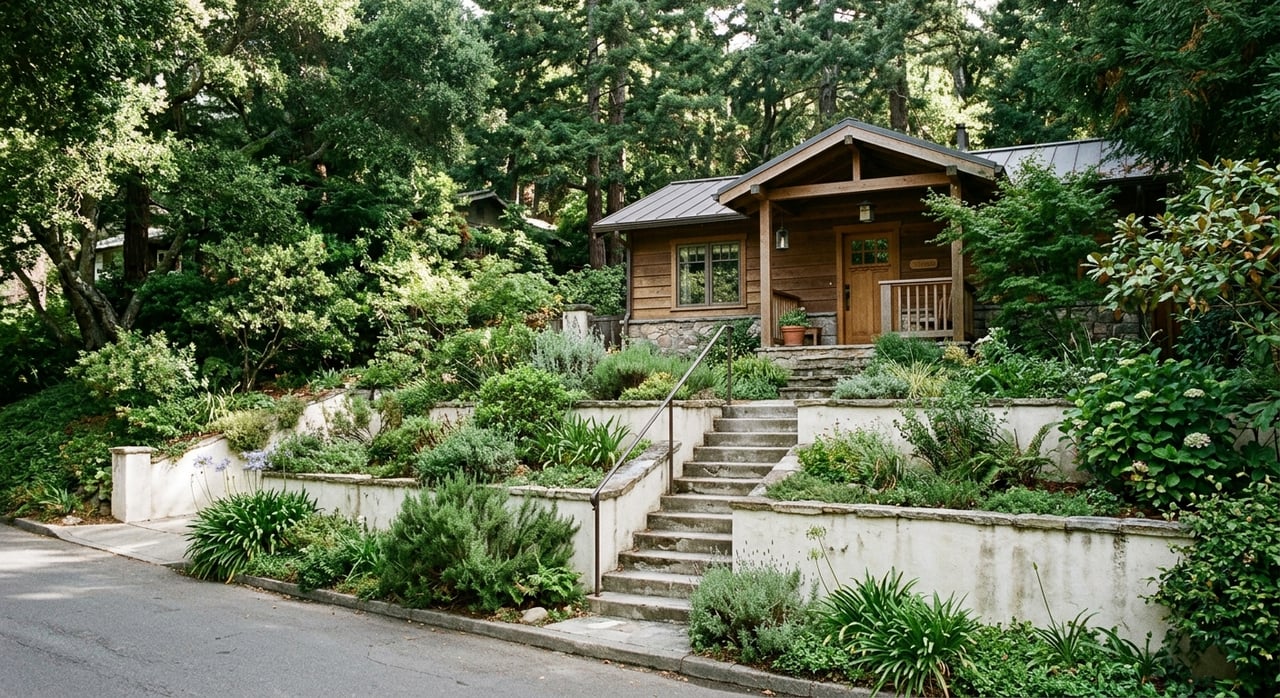
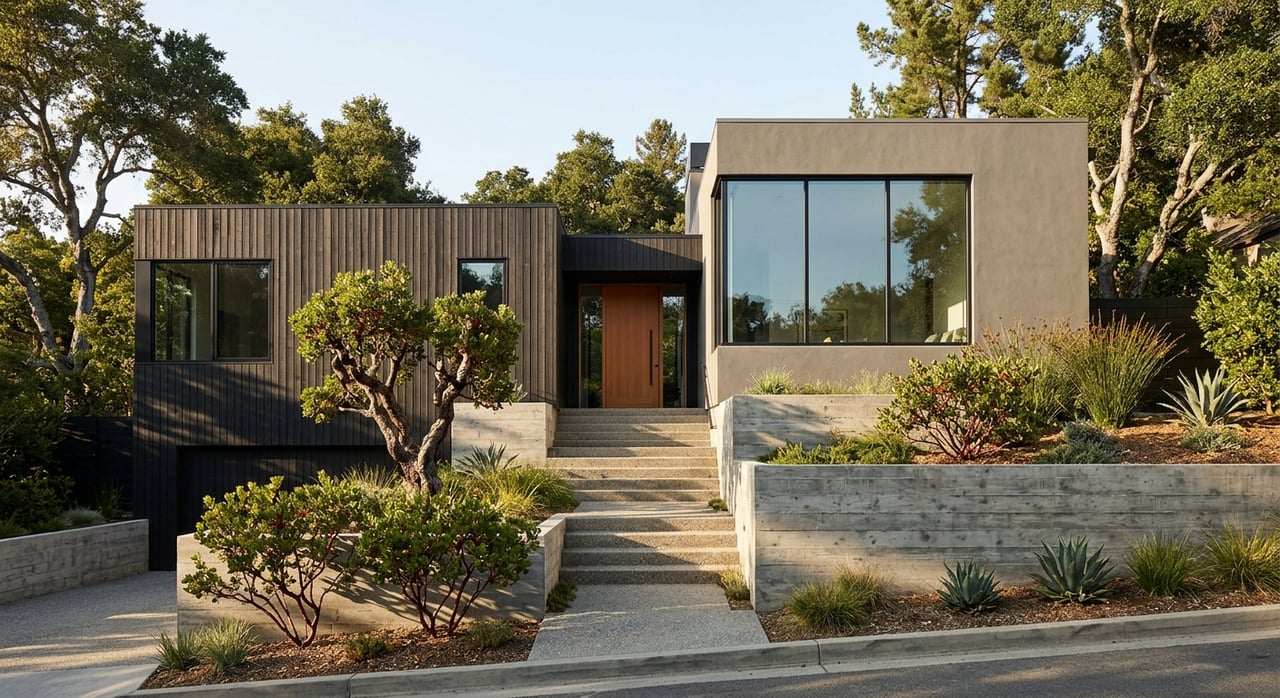
If your priority is a more scenic setting, the hills often stand out first. The city describes hillside residential districts as places where curving streets follow the land, homes are often larger and newer, and mature landscaping helps soften the look of the neighborhood.
For many buyers, the biggest draw is the view. The city’s general plan specifically notes that upper hillside homes can have commanding Bay views, with public view corridors along streets like Moeser, Potrero, Cutting, and Barrett. If you want a home environment that feels elevated both literally and visually, the hills may feel like the stronger match.
The hills also put you closer to open space. El Cerrito’s Hillside Natural Area spans 107 acres with trails, oak woodland, grassland, fuel breaks, and emergency-access routes, and the city notes that the tree-covered hillsides near Wildcat Canyon support more wildlife than flatter parts of town.
That can translate into a daily routine with more nature nearby. If you enjoy trail access, changing light, and a quieter residential setting, the hills often deliver that experience in a way the flatter corridor does not.
What the Hills Feel Like Day to Day
The hillside environment often feels less grid-based and more shaped by the land itself. Streets can curve, grades can change quickly, and sidewalks may be more limited than in the flatter parts of town.
That gives many hillside areas a calmer, more tucked-away feel. At the same time, it can mean your trips by foot, bike, or car involve a little more planning, especially if your daily routine includes frequent errands or transit connections.
Hillside Due Diligence Matters
The tradeoff in the hills is that buyers usually need to do more homework. El Cerrito’s Emergency Operations Plan states that more than 40% of the city is in a Very High Fire Hazard Severity Zone, and that steep grades and narrow winding roads make hillside interface areas especially vulnerable to wildfire and landslides.
The same city document notes that portions of both the east- and west-facing hillside slopes are known active landslide areas. That does not mean a hillside home is automatically the wrong choice. It does mean you will likely want to look closely at drainage, slope stability, emergency access, and insurance considerations before you move forward.
Why Buyers Choose the Flats
If convenience is at the top of your list, the flats often have the edge. This is where El Cerrito’s transit-oriented side is most visible, with the BART corridor, San Pablo Avenue, and the Ohlone Greenway helping connect much of daily life.
The Ohlone Greenway, often called the BART Path, runs north to south under the BART tracks and links both BART stations, the library, the senior center, and connections into Albany and Berkeley. For buyers who value walking, biking, or easy access to transit, that corridor can be a major advantage.
The flats are also where the city’s station access is concentrated. El Cerrito Plaza station serves southern El Cerrito and nearby communities, while El Cerrito del Norte serves the northern part of the city and connects to AC Transit, Golden Gate Transit, WestCat, SolTrans, and Napa Vine.
That makes the flatter areas especially appealing if you want the shortest path to BART, bus connections, or everyday errands. The city also notes that El Cerrito has numerous AC Transit lines and a relatively high share of transit commuting at 23.9%, reinforcing how important transportation access is to the local lifestyle.
What the Flats Feel Like Day to Day
The city’s general plan describes the flatter areas near the corridor as a mix of smaller, well-kept homes and increasing residential density as you move closer to San Pablo Avenue and the BART tracks. In practical terms, that usually means a more connected and urban pattern, even though many residential blocks still feel quiet.
The city also envisions Plaza, del Norte, and Midtown as pedestrian-friendly mixed-use villages tied to BART and the Greenway. If you want to be close to retail, transit, and an evolving public realm, the flats may offer the lifestyle you are looking for.
Redevelopment Is Part of the Flatland Story
The flats are also where some of the city’s biggest changes are happening. The city says the El Cerrito Plaza BART transit-oriented development is planned to include 743 homes, 47% below-market rents, 22,000 square feet of new public open space, a possible 20,000-square-foot public library, and parking for BART riders.
The city says the project is being phased over about four years, with the first building starting construction in late 2025, and BART reported in March 2026 that the first phase, 70 affordable apartments, had broken ground. If you buy in the flats, especially near Plaza, it helps to think not just about what the area feels like today, but how it may continue to evolve.
Hills vs Flats: A Practical Comparison
Here is the simplest way to compare the two.
| Factor | Hills | Flats |
|---|---|---|
| Setting | More scenic, topography-shaped | More transit- and corridor-oriented |
| Views | Often stronger Bay views | Generally less view-driven |
| Streets | Curving, slope-following streets | More connected to main corridors |
| Transit access | Usually less immediate | Stronger access to BART and buses |
| Walkability for errands | More limited in many areas | Often better near San Pablo and stations |
| Open space feel | Closer to hillside natural areas | Closer to urban amenities and Greenway |
| Buyer homework | More due diligence on slope, drainage, wildfire, insurance | More awareness of parking demand and redevelopment |
In most cases, this choice comes down to routine rather than status. If you want nature, views, and a more tucked-away residential setting, the hills often make more sense. If you want transit, convenience, and easier access to daily services, the flats may be the better fit.
Plaza vs Del Norte in the Flats
If you are leaning toward the flats, it helps to know that not every station area feels the same. Based on the city’s planning documents and BART information, the Plaza area tends to be the more neighborhood-serving, retail-adjacent part of the flatlands.
That can make Plaza a good fit if you care most about walkable errands and want to be near an area that is likely to keep changing as transit-oriented development moves forward. Del Norte, by contrast, functions more as a regional transit hub, with stronger bus connections and more park-and-ride behavior.
If your top priority is regional access, del Norte may stand out. If your focus is everyday convenience in a more neighborhood-serving setting, Plaza may feel like the more natural match.
How to Decide What Fits You
If you are still torn, try framing the decision around your weekly routine. Ask yourself where you will notice the tradeoffs most, not just on showing day, but six months after you move in.
A few questions can help:
- Do you want Bay views and a more nature-oriented setting?
- Do you expect to use BART or bus service often?
- Would you rather be closer to open space or everyday errands?
- Are you comfortable doing extra diligence on slope, drainage, and fire risk?
- Do you prefer a quieter residential feel or a denser, more connected environment?
The right answer is personal. El Cerrito offers both lifestyles within a relatively small footprint, which is part of what makes the city so appealing.
Market Context for El Cerrito Buyers
As you compare subareas, it also helps to keep the broader city market in mind. The latest U.S. Census QuickFacts for El Cerrito show a median owner-occupied home value of $1,124,400, median gross rent of $2,548, an owner-occupied housing rate of 58.6%, median household income of $127,876, and a mean travel time to work of 33.3 minutes.
Those are citywide figures, not separate numbers for the hills and flats. Still, they provide useful context as you weigh lifestyle fit, budget, and commute priorities in a competitive East Bay market.
Choosing between the hills and the flats is really about choosing how you want to live in El Cerrito. If you want help narrowing that choice based on your commute, budget, and the type of home that fits your goals, Karthiga Anandan can help you build a personalized market strategy with clear, local guidance.
FAQs
Is there an official boundary between the El Cerrito hills and flats?
- No. The city describes El Cerrito as layered from the lowlands to the ridge tops, so hills and flats are best understood as a practical shorthand rather than a formal boundary.
Which part of El Cerrito usually has better views, the hills or the flats?
- The hills usually have better views, and the city’s general plan specifically notes commanding Bay views from upper hillside homes.
Which part of El Cerrito is generally more walkable for errands and transit?
- The flats are generally more walkable for errands and transit, especially near San Pablo Avenue, the two BART stations, and the Ohlone Greenway.
Which part of El Cerrito usually requires more buyer due diligence?
- The hills usually require more due diligence because the city identifies wildfire exposure, steep grades, and active landslide areas in parts of the hillside interface.
What is the difference between El Cerrito Plaza and El Cerrito del Norte for buyers?
- Plaza is generally more oriented to neighborhood-serving retail and walkable everyday errands, while del Norte is more focused on regional transit connections and bus access.