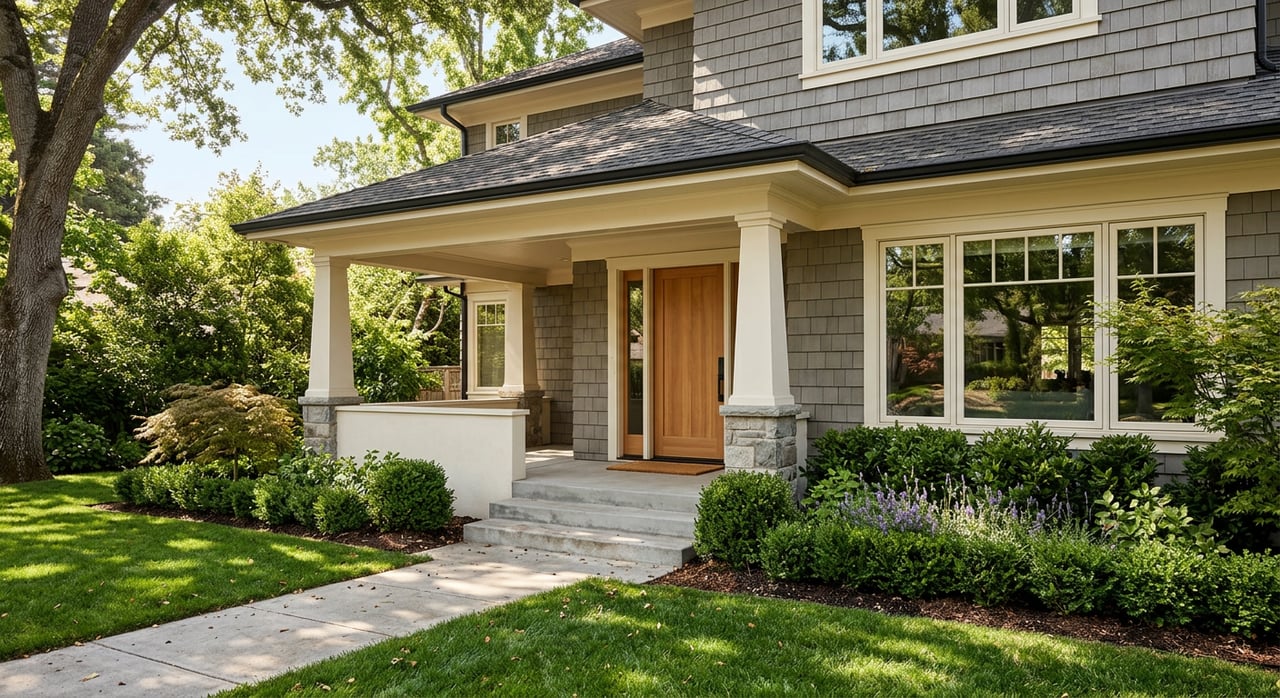
If you picture a quiet, residential city with parks and architect-designed homes just minutes from Oakland and about 10 miles from San Francisco, you’re already close to what life in Piedmont feels like. You want stability, quality services, and a strong sense of community without giving up access to big-city amenities. In this guide, you’ll get a clear view of housing, schools, parks, commutes, and what buyers like you can realistically expect. Let’s dive in.
Where Piedmont sits
Piedmont is a small charter city of about 1.7 square miles, completely surrounded by Oakland. It is commonly described as roughly 10 miles east of San Francisco, which puts regional jobs, arts, and dining within easy reach. The city is largely built out and primarily residential, which shapes everything from housing options to daily routines. You can review the city’s planning documents for a concise overview of its setting and land use patterns in the Housing Element RFP.
Neighborhood feel and housing
Streets and architecture
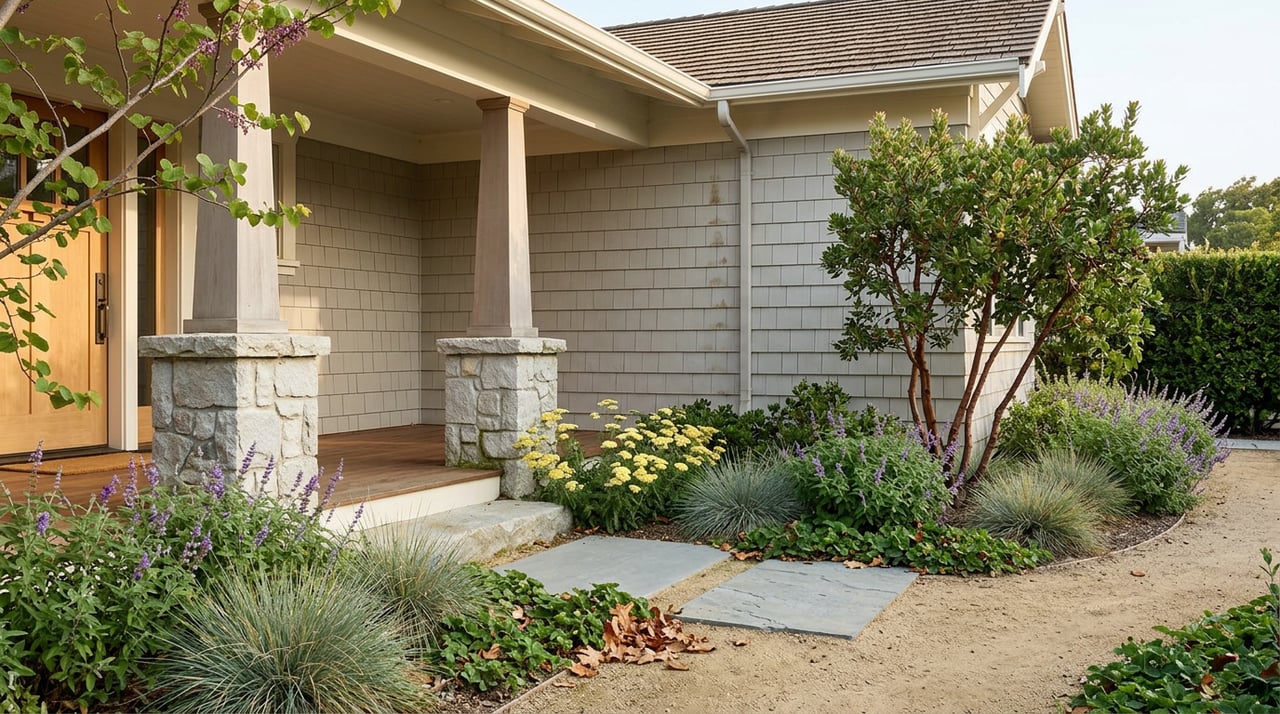
Piedmont reads like a compact, well-kept residential city with tree-lined streets and many architect-designed homes, often built before 1960. The civic center fronts Piedmont Park, and a local design-review culture aims to preserve neighborhood scale and character. If you appreciate older, well-maintained homes with distinct styles, Piedmont offers a deep bench of options. City materials highlight this emphasis on preservation and design in the planning RFP.
Housing types and supply constraints
Piedmont is overwhelmingly single-family residential. More than 90 percent of land is housing, there are under 4 acres of commercial land, and new construction has been rare for decades. The conventional apartment supply is very small at roughly 50 units, while accessory dwelling units (ADUs) have grown to around 300 in the city’s inventory. Because the city is nearly fully developed, most opportunities are resales or ADU projects rather than new subdivisions. For context on housing mix and supply limits, see the city’s housing program overview.
Daily life and amenities
Parks and recreation
Piedmont manages about 44 acres of city parks and roughly 59 acres of park and open space when shared facilities are included. Piedmont Park is the centerpiece, with lawns, community spaces, and nearby tennis and playgrounds. You’ll also find Blair Open Space, Dracena Quarry Park, Coaches Field and Kennelly Skate Park, Linda (Beach) Park, and several mini-parks. The Recreation Center, pool, and lighted tennis courts anchor regular programming. For details, review the city’s Parks, Recreation and Open Space Element.
Shopping and services
Expect a small-town commercial footprint with roughly two dozen active businesses and less than 4 acres of commercial land. Most local shops and services cluster along Grand Avenue and around the civic center. For a broader grocery and retail selection or big-box options, many residents head a short distance into nearby Oakland neighborhoods like Grand Lake and Rockridge or into Berkeley. The city’s planning materials explain why most households run quick local errands but travel a bit for larger shopping in the housing program overview.
Community events and civic life
Piedmont’s calendar includes longstanding traditions like the Harvest Festival every September at Piedmont Park. Volunteer commissions, active civic groups, and strong parent organizations help create a participation-oriented culture. If you value engagement and local programming, you will find a steady slate of events and opportunities to get involved. Learn more about the Harvest Festival on the city’s events page.
Public safety and city services
Piedmont operates its own Police Department and provides regular reporting on programs and trends. The department emphasizes community engagement, transparency, and investments in 911 infrastructure. Property-crime categories can show periodic swings, so it is smart to review the latest summaries before you buy. Start with the Police Department’s annual report notice for recent updates.
Schools and education
Piedmont Unified School District operates three elementary schools, one middle school, and two high-school campuses, including an alternative program. District materials highlight strong performance on state assessments and significant parent support through parcel taxes and fundraising. For a current view of campuses and district context, visit the PUSD schools page. If schools are a key factor in your decision, review district reports to see how recent results align with your goals.
Commute and transportation
There is no BART station inside Piedmont. Instead, local bus routes connect to nearby BART stations and to downtown Oakland, and transbay buses serve San Francisco. The mean commute time is about 31.7 minutes, so you should weigh commute convenience against the city’s residential benefits. For address-level transit planning and policy context, see the city’s Housing Element and the Census QuickFacts profile.
Who Piedmont tends to suit
- Households that prioritize a high-performing K–12 public system and a small-city neighborhood feel.
- Professionals willing to balance a commute into Oakland, San Francisco, or the Peninsula with neighborhood stability and larger single-family lots.
- Buyers drawn to architecturally distinctive, older homes and a strong preservation ethic.
Market expectations and buying tips
Prices and how to read them
In a small city like Piedmont, monthly data can swing due to very few sales. Across major providers, recent snapshots suggest a typical single-family resale often trades in the multi-million-dollar range, frequently above 2 million dollars and commonly within 2 to 4 million dollars depending on size, condition, and location. Different platforms use different methods and windows, so expect variations across reports. The most reliable signal is recent closed sales for comparable homes.
Inventory and competition
Inventory is usually thin. With very limited vacant land and a built-out fabric, most activity is resale rather than new construction. Some well-presented homes attract multiple offers while others sit longer if the list price and condition are misaligned. Being prepared, watching micro-trends, and moving quickly when the right fit appears will help you compete.
Rentals and investment properties
Piedmont is not a high-volume rental market. The city has about 50 conventional apartment units, with more rental opportunities coming from ADUs. If you are focused on multi-unit investments or a wide range of rentals, you will typically find more options in adjacent Oakland or Berkeley.
Zoning, ADUs, and future changes
Piedmont is a charter city. Certain zoning changes can require voter approval, which limits large-scale rezoning. The city has leaned on ADUs and very targeted sites to meet state housing goals, so the most likely path for change is incremental: more ADUs and limited mixed-use or multifamily on small commercial parcels. For policy context and planning updates, review the Housing Element and the housing program overview.
Taxes, municipal fees, and local funding
Piedmont funds a meaningful share of services and programs through local parcel taxes and community support. When you budget, include these levies in your total cost of ownership and review current measures before you write an offer. District materials acknowledge the role of parcel taxes in sustaining programs, which you can see reflected in school communications.
How to buy well in Piedmont
- Get clear on your must-haves. Prioritize schools, commute options, and desired lot size to narrow your search in a low-inventory market.
- Study recent comps. Because monthly data can be volatile, look closely at the most recent closed sales for similar homes on nearby blocks.
- Plan for older-home due diligence. Many homes are early to mid-20th century. Budget time and funds for inspections and thoughtful updates that respect design-review expectations.
- Explore ADU potential. If you want flexibility for guests, home offices, or supplemental income, ask the City’s Planning Division about ADU feasibility and current standards.
- Test the commute. Map your door-to-door route to Rockridge, MacArthur, or 19th St. BART and evaluate peak-hour travel across the Bay.
- Align price and presentation. If you are selling to buy, strategic pre-list improvements and strong marketing can boost proceeds and strengthen your next purchase.
If Piedmont is on your list and you want a clear, data-informed plan for buying or selling, connect with Karthiga Anandan for a calm, boutique strategy tailored to your goals.
FAQs
Are there many condos or apartments for sale in Piedmont?
- The city is predominantly single-family with a very small conventional apartment stock, so multi-unit and condo options are limited compared with nearby Oakland or Berkeley.
How walkable is shopping from most Piedmont homes?
- The commercial footprint is small. Many residents handle quick errands locally but head to nearby Oakland neighborhoods or Berkeley for full-service groceries and broader retail.
How do Piedmont schools perform compared to others?
- District materials cite strong performance on state assessments and robust community support. Review current reports on the district’s site to see the latest results.
What should a commuter to San Francisco expect from Piedmont?
- You will likely use nearby BART stations or transbay buses. Mean travel time is about 31.7 minutes, so test routes during peak hours to confirm your door-to-door plan.
Is Piedmont a good option for first-time buyers?
- Affordability can be challenging because typical single-family homes trade in the multi-million-dollar range, though smaller homes or fixer opportunities can be entry points.
What are typical home prices in Piedmont right now?
- Provider estimates vary month to month due to small sample sizes, but many single-family resales close above 2 million dollars and often fall within the 2 to 4 million dollar range.