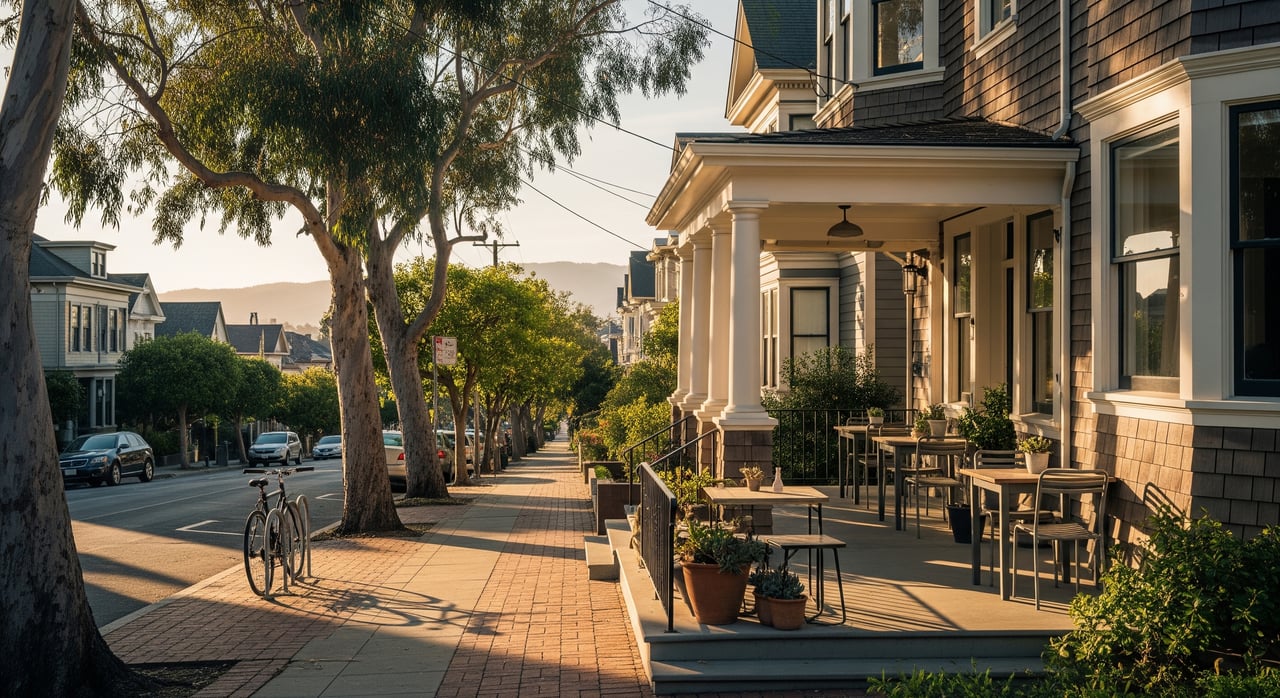
If you picture your day on foot, Berkeley gives you a lot to love. From coffee runs and quick errands to evening shows and weekend markets, many neighborhoods here make everyday life feel close, simple, and connected. Whether you are moving across town or relocating to the East Bay, it helps to know how each area actually moves and feels from morning to night. This guide walks you through the rhythms, routines, and trade-offs of Berkeley’s most walkable spots so you can picture your life here. Let’s dive in.
Where walkability shines
Downtown Berkeley: Shattuck & Center
Downtown is the city’s busy core. You get cafés, specialty grocers, restaurants, and cultural venues within a few blocks. The sidewalks fill during the morning commute and again around lunch and early evening.
If you live nearby, your day often starts with a quick walk for coffee and the train. Evenings can mean a bite before a film or a show. Housing here leans toward mid-rise condos and apartments, which keeps foot traffic steady and errands close.
Telegraph & Southside near campus
Telegraph’s energy comes from students and small shops. You’ll find bookstores, casual eats, and late-night options. When school is in session, the sidewalks are crowded most of the day and into the evening.
Life here is lively, especially during the academic year. Expect more noise, busier sidewalks, and tight parking. Housing includes apartments and shared houses, with some older single-family homes as you move toward Elmwood.
North Berkeley and Solano Avenue
North Berkeley’s Shattuck corridor and nearby Solano Avenue feel more village-like. Independent bakeries, specialty food shops, and longtime restaurants give you a steady rhythm from breakfast through early dinner.
Weekends bring brunch crowds, but the pace stays calm. Parking is usually more manageable than downtown. Housing is a mix of Victorian and Craftsman single-family homes with small apartment buildings tucked in.
Elmwood along College & Claremont
Elmwood blends leafy streets with a compact main street on College Avenue. You’ll find bookstores, cafés, and neighborhood restaurants, all within an easy stroll.
Morning school drop-offs and quick errands shape the day. The pace is relaxed and predictable. Housing tends to be early 20th-century single-family homes, duplexes, and small apartments.
Fourth Street in West Berkeley
Fourth Street is a destination retail district that pulls shoppers from across the East Bay. You get a pedestrian-friendly streetscape, boutique stores, and a range of restaurants.
Weekdays serve nearby workers and residents, while weekends are busiest. Nights are quieter than student areas. Housing near here mixes converted industrial lofts, newer infill condos, and older single-family pockets.
Berkeley Hills, Northbrae, and Thousand Oaks
If you want quiet streets and easy park access, the hills and nearby residential neighborhoods deliver. You’ll see small clusters of cafés and shops, but daily errands may include a short drive or ride to larger retail corridors.
Microclimates matter here. Hillsides are often sunnier than bayside areas, which makes walking and weekend hikes more common. Housing skews larger, with period homes and mid-century styles on steeper lots.
Berkeley Marina and Aquatic Park
The waterfront is about open space, not retail. It’s ideal for walkers, runners, cyclists, and anyone chasing wide bay views.
You won’t live right on the water’s edge, but nearby neighborhoods put you within a short bike ride. Expect morning dog walkers and weekend families making the most of the park.
Getting around without a car
Living near a BART station shapes daily life. Downtown Berkeley and Ashby are the main gateways for regional commuting to San Francisco, Oakland, and beyond. Plan on brisk morning foot traffic around these stations and businesses that cater to riders.
AC Transit buses and campus shuttles connect many neighborhoods to BART and the University. Service is most frequent during peak hours, and major streets carry the busiest routes. If you bike, you’ll appreciate the city’s bicycle culture and designated routes with plenty of racks near shops and transit.
Parking rules change by neighborhood. Permit zones and time limits are common near the university and downtown. During big events and weekends, street parking gets tighter, so factor that into your routine.
Daily errands and local rhythms
In Berkeley’s walkable areas, you can count on independent cafés, bakery-deli options, and a mix of casual and sit-down restaurants. North Berkeley and College Avenue lean neighborhood-focused. Telegraph offers more student-friendly and late-night choices.
Grocery shopping often feels like a quick loop rather than a weekly haul. You’ll find smaller grocers, specialty shops, and regular farmers markets that draw neighbors and deepen community ties. Many residents shape their week around these markets for produce and prepared foods.
Parks are part of the routine. Small neighborhood parks support quick breaks or playground time, while regional parks like Tilden expand your weekend options. Downtown and campus-adjacent areas add museums, theaters, and music venues that boost foot traffic and make dinner-and-a-show a simple plan.
Housing types and trade-offs
Choosing a home in a walkable area involves everyday trade-offs. Here is how common housing types shape daily life.
Multiunit buildings and flats
You’ll see these around downtown, in Southside, and near key retail corridors. You gain proximity to shops, transit, and a steady pedestrian scene. You may trade away private outdoor space and accept more noise and turnover.
Small-lot homes and bungalows
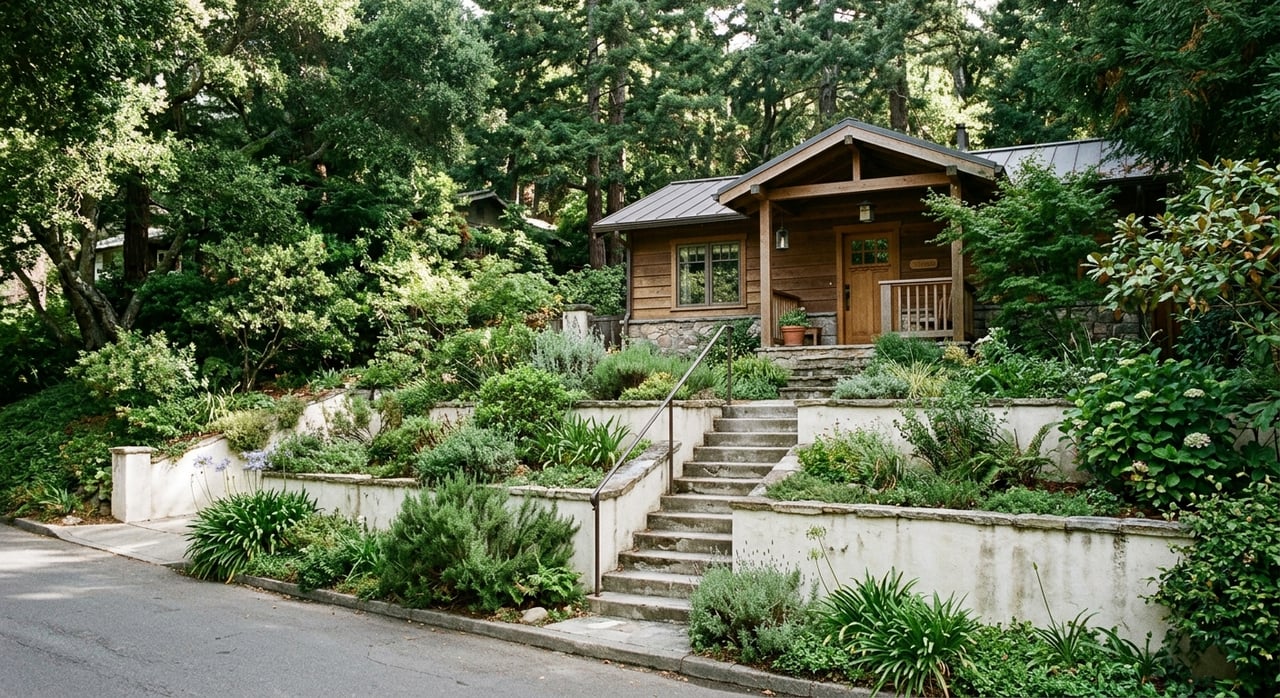
Elmwood, North Berkeley, and many hill-adjacent areas offer single-family homes on smaller lots. Streets tend to feel quiet, and you often get a yard or off-street parking. You may be a bit farther from 24-hour activity, which some buyers prefer.
Larger hillside residences
Berkeley Hills, Claremont, and Thousand Oaks feature larger homes and scenic streets. Walkability focuses on small commercial nodes and quick drives for bigger errands. You gain trail access and views, with car ownership more common.
Industrial lofts and new infill condos
West Berkeley and the Fourth Street corridor include renovated lofts and newer condos. You get stylish spaces near destination retail and dining. Parking can be limited, and price-per-square-foot often runs higher.
Student and shared housing
Southside near Telegraph has a high share of rentals and shared homes. Expect more nightlife and late activity, especially during the academic year. In exchange, daily errands and casual food are steps away.
What changes by time and season
The academic calendar shapes many neighborhoods. When classes are in session, sidewalks are crowded near campus, and nightlife runs later. Summer and winter breaks bring a noticeable lull.
Weekends shift patterns across the city. Fourth Street and Solano Avenue see shopping peaks, and farmers markets pull neighbors out for groceries and meetups. Cultural events downtown and on campus energize evenings.
Microclimates matter too. Bayside areas can run cool and foggy, which shortens patio time. The hills often stay sunnier, encouraging more morning walks and weekend hikes.
Try-before-you-commit checklist
Use these quick checks to see how a neighborhood fits your daily habits:
- Walk key corridors at four times: weekday morning, midday, evening, and weekend.
- Visit during a campus event to understand traffic and noise.
- Do a sample grocery run and a sit-down meal to gauge convenience.
- Review transit schedules for your likely commute on BART and AC Transit.
- Scan street signs for residential parking permits and time limits.
- Locate nearby parks, playgrounds, and dog areas for regular routines.
- Check city resources for updates on events, parking programs, and community facilities.
Find your fit with local guidance
If you are early in your search, focus on how your day flows. Do you want quick access to BART, or a quieter street near trailheads? Would you trade a yard for a shorter walk to dinner? The right fit is the one that supports your routine with the fewest compromises.
You do not have to map this alone. With deep neighborhood knowledge across Berkeley, a data-informed approach, and calm, hands-on guidance, you can narrow options quickly and confidently. When you are ready to explore, connect with Karthiga Anandan for neighborhood matching, first-time buyer education, relocation support, and a personalized plan that fits your day-to-day life.
FAQs
What makes a Berkeley neighborhood walkable?
- A close mix of shops, cafés, parks, and transit stops concentrated along corridors like Shattuck, Telegraph, Solano, College, and Fourth Street.
How does BART influence daily life in Berkeley?
- Living near Downtown Berkeley or Ashby stations supports easy regional commutes and creates steady morning and evening foot traffic around nearby businesses.
Is parking tough in the most walkable areas?
- It varies by block, but expect permit zones, time limits, and tighter competition near campus and downtown, especially on weekends and event days.
How does the UC Berkeley calendar affect neighborhoods?
- Student density rises during the academic year, boosting daytime crowds and nightlife near campus; summer and winter breaks bring a noticeable slowdown.
What housing types are common near retail corridors?
- Expect mid-rise condos and apartments near downtown, small apartments near North Berkeley, and older homes and duplexes around Elmwood and adjacent streets.
What outdoor options are within walking distance in Berkeley?
- Neighborhood parks are common citywide, with the waterfront for biking and walks, and regional parks like Tilden for weekend hikes and scenic viewpoints.