Thinking about a move to El Cerrito but unsure how the commute, BART access, and neighborhood feel will work day to day? You are not alone. Many professionals consider El Cerrito for its balance of transit access, green space, and calm residential streets. In this guide, you will learn how commuting really works, how to match your priorities to different parts of the city, where everyday conveniences cluster, and how to plan a smooth move. Let’s dive in.
Commute options and what to expect
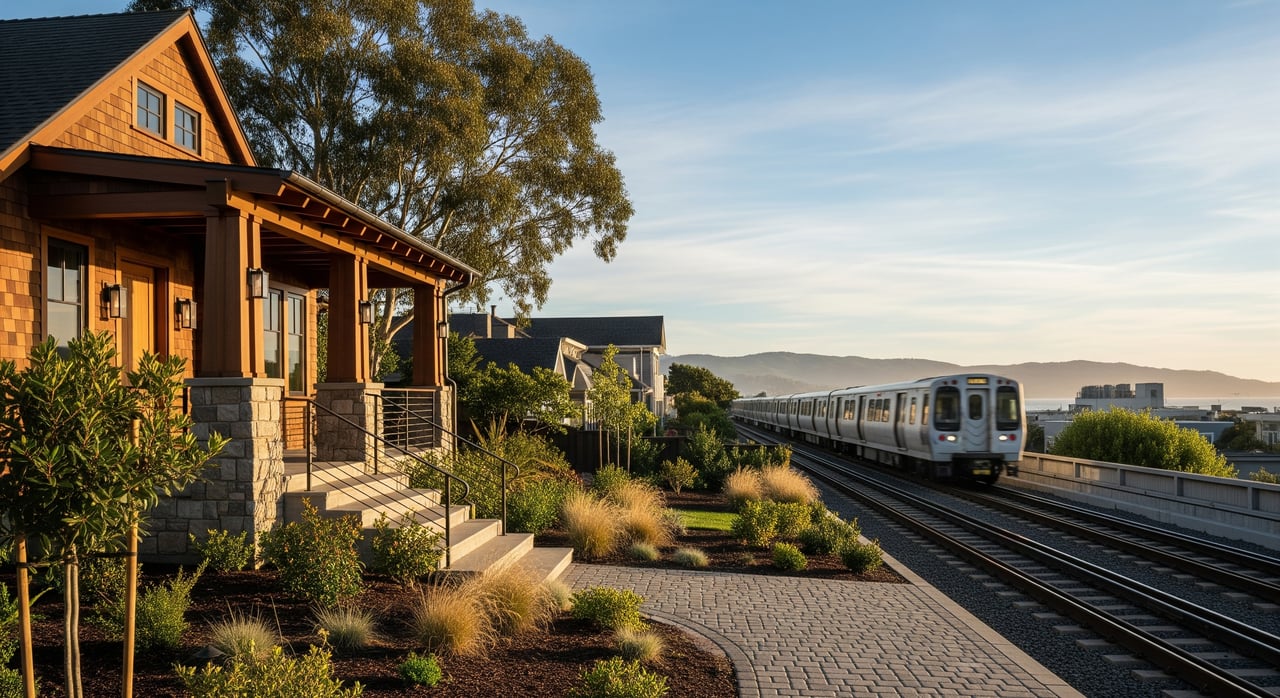
El Cerrito is built around transit. You have two BART stations in city limits, local and transbay buses, a well‑used multi‑use path for biking and walking, and easy road access for drivers. Most residents mix modes over the week, which gives you flexibility when schedules shift.
BART: two stations, many options
You will find two stations: El Cerrito Plaza and El Cerrito del Norte. Plaza sits by the shopping center and serves the southern part of the city. Del Norte is a larger intermodal hub with more bus connections and bigger parking facilities. Commuters to Berkeley or Oakland often have a one‑seat ride. Trips to San Francisco are common, just longer.
- Check real‑time schedules and service alerts on the BART site before you set a routine. Visit the latest BART schedules and service alerts to plan your route.
- Parking fills differently by time of day and station. Review BART parking and permit policies so you know whether to plan for parking, drop‑off, or bike storage.
- Regular riders often use Clipper cards and, if available, employer pre‑tax transit benefits.
For the most current information, use the official BART resources for schedules, parking, and notifications:
- BART schedules and service alerts: BART official site
- BART parking and permits: BART parking guide
AC Transit and bus connections
AC Transit connects El Cerrito with nearby cities and the BART stations. El Cerrito del Norte functions as a key bus hub with multiple routes that make bus‑to‑BART or bus‑only commutes straightforward. If you rely on buses for first or last mile, study route frequency and plan backup options. See current routes and schedules on the AC Transit website.
Biking and walking on the Ohlone Greenway
The Ohlone Greenway runs through El Cerrito and links to Albany and Berkeley. Many residents bike or walk on the Greenway to reach the BART stations, errands, or nearby neighborhoods. The “flats” are generally easier for casual cycling and walking. Hillside areas offer views and quieter streets, with more elevation and longer walks to transit.
For local paths, parks, and city updates, start with the City of El Cerrito site.
Driving and regional access
If you drive, El Cerrito provides quick access to major North‑South corridors in the East Bay. Expect heavier traffic during peak times. Many professionals combine a short drive with BART, or mix modes when heading to the Peninsula or South Bay. If you plan to park near BART or rely on street parking, confirm station and city rules before you move.
Pro tip: test your commute
Do a full test run at rush hour before you commit to a neighborhood. Try drive‑to‑BART and bike‑to‑BART versions, and compare total door‑to‑door time. A small change in location can save you 20 to 30 minutes a day.
Match your priorities to the right area
El Cerrito is a mix of walkable station corridors and quieter hillside streets. Use the framework below to connect your lifestyle and commute needs to a good‑fit location.
Step 1: Define your commute priority
Pick a target door‑to‑office time. If a shorter BART ride matters, focus on homes within a 10 to 15 minute walk of a station. If you will drive more often, prioritize access to arterials and off‑street parking.
Step 2: Choose your primary mode
- Transit‑first: Focus near El Cerrito Plaza or El Cerrito del Norte for quick station access.
- Car‑first: Look for easier garage or driveway parking and proximity to key corridors.
- Bike‑first: Prioritize the Ohlone Greenway and low‑stress connections to errands.
Step 3: Weigh lifestyle tradeoffs
Decide where you want the balance between walkability and quiet space. Closer to stations and San Pablo Avenue means more shops and restaurants and more street activity. Hillside streets lean quieter with more views and yard space but longer walks to transit.
Step 4: Align housing type and budget
Hillside single‑family homes often have larger lots and more space. Flats and station‑area homes tend to offer more walkability and may include condos or smaller‑lot houses.
Step 5: Consider future plans
Planned projects near station areas can add long‑term convenience. If you value future access or potential investment upside, review city planning documents and regional transportation plans from the City of El Cerrito and agencies like the Contra Costa Transportation Authority and Metropolitan Transportation Commission.
Neighborhood types at a glance
Use these objective snapshots to decide what to visit first.
Station‑area, transit‑oriented zones
- What you get: High walkability, quick BART access, mixed‑use corridors, and apartments or smaller‑lot homes.
- Best for: Transit‑first commuters who want errands on foot.
- Tradeoffs: More activity and noise, tighter parking, and more density.
Flats and commercial corridors (San Pablo and Central)
- What you get: Denser commercial strips, shorter local errands, and a range of housing sizes.
- Best for: People who value fast access to groceries, coffee, and services.
- Tradeoffs: Heavier traffic and variable building quality along major corridors.
Hillside and ridge areas
- What you get: Bay views in spots, more single‑family homes, larger lots, and quieter streets.
- Best for: Buyers who value space and calm over immediate walkability.
- Tradeoffs: Steeper streets, fewer sidewalks in places, longer walks to BART and shops.
Edges near regional parks
- What you get: Proximity to trailheads and open space.
- Best for: Outdoors‑oriented buyers who want quick weekend access to nature.
- Tradeoffs: More distance from commercial nodes and transit.
Transitional and redevelopment pockets
- What you get: Areas near El Cerrito Plaza with ongoing or proposed mixed‑use projects and newer housing types.
- Best for: Buyers who want transit‑oriented living and are comfortable with nearby change.
- Tradeoffs: Construction activity at times and evolving streetscapes.
Parks, green space, and everyday life
El Cerrito’s daily rhythm is shaped by its linear greenway, regional parks, and practical shopping nodes.
Ohlone Greenway and city parks
The Ohlone Greenway is a go‑to for walking, casual rides, and bike commutes between El Cerrito, Albany, and Berkeley. You will also find neighborhood parks and hillside viewpoints used by walkers and dog owners. For city updates and park details, use the City of El Cerrito website.
Tilden and Wildcat regional parks
Weekends often mean hiking or mountain biking in the Berkeley Hills. Tilden Regional Park and Wildcat Canyon Regional Park are accessible from El Cerrito and offer miles of trails and wide Bay views. Explore trail maps and park notices through the East Bay Regional Park District.
Groceries, dining, and services
Daily conveniences cluster along San Pablo Avenue and around El Cerrito Plaza. You will find grocery stores, local restaurants, banks, and clinics near the BART stations and along major arterials. For specialty dining or larger nightlife scenes, many residents hop to Berkeley or Oakland by BART or a short drive.
Childcare, eldercare, and healthcare basics
Daycare, preschools, and elder services exist locally, but availability varies. If these are priorities, start outreach early in your timeline. Primary care and urgent care options are in town, with regional hospitals in nearby cities. Confirm current provider locations before you move.
A practical move timeline
Use this phased plan to reduce stress and keep your move on track.
Immediate timeline: 2 to 4 weeks
Best for renters or intracity movers.
- Confirm housing availability and lease or closing dates.
- Get moving quotes and book a mover as early as possible.
- Set up short‑term utilities if needed and transfer mail.
- Confirm street parking or temporary no‑parking permits for moving day with the City of El Cerrito.
Typical homebuyer timeline: 6 to 12 weeks before move
- Research neighborhoods and visit at rush hour and off‑peak times.
- Finalize loan and escrow timelines with your lender and agent.
- Register for Clipper and review monthly transit options on BART and AC Transit.
- Arrange movers, review parking rules near your new home, and schedule utilities.
Longer‑term planning: 3 months or more
- If you need to sell a home first or plan renovations, build that into your timeline.
- If you are coordinating childcare or eldercare, start interviews and waitlists early.
- Review city planning and permit needs if you plan future projects on the property.
Key tasks by countdown
- 8 to 12 weeks: Vet neighborhoods at commute times. Ask about street permit parking, trash schedules, and any HOA rules. Confirm internet options and speeds.
- 6 to 8 weeks: Schedule movers, get competitive quotes, and plan for vehicle registration changes if coming from out of state. Start utility setup research.
- 2 to 3 weeks: Set up electricity, gas, water, trash, and internet. Apply for BART parking permits if you plan to park at stations. Transfer medical and dental records if needed.
- 1 week: Pack essentials, confirm mover arrival and street permits, file change‑of‑address with USPS, and plan any lock changes.
- Moving day: Observe local parking restrictions. Leave contact info with neighbors for package deliveries.
Quick checklist before you commit
- Test your full commute at rush hour, including any drive‑to‑BART or bike connections.
- Walk or bike from candidate homes to BART, groceries, and coffee to gauge realistic access.
- Ask about street permit rules, trash pickup, and any local parking limits.
- Confirm internet speed and reliability for remote work.
- Check BART and City updates for parking and service changes close to your move date.
Work with a local guide
El Cerrito offers a rare blend of efficient transit, practical walkability, and calm hillside pockets. The right fit depends on your commute, mode preference, and day‑to‑day rhythm. If you want a clear plan, neighborhood tours at commute times, and data‑driven guidance through the offer and closing process, connect with Karthiga Anandan for a tailored, boutique strategy.
FAQs
Is BART practical from El Cerrito to San Francisco?
- Yes. Many residents ride BART into downtown San Francisco with a single‑seat trip, though it is a longer ride than Berkeley or Oakland; confirm timing using BART schedules and alerts.
What is the difference between El Cerrito Plaza and El Cerrito del Norte stations?
- Plaza is next to the shopping center and serves the southern city; Del Norte is a larger hub with more bus connections and bigger parking facilities, useful for bus‑to‑BART commutes.
How bike‑friendly is El Cerrito for daily errands?
- The Ohlone Greenway makes biking to BART and local errands practical, especially in the flats; hillside areas involve steeper grades and longer walks or rides.
Where can you access regional parks from El Cerrito?
- Tilden Regional Park and Wildcat Canyon Regional Park are accessible from El Cerrito for hiking and biking; explore maps and notices via the East Bay Regional Park District.
What should new residents know about parking and permits?
- Near BART, station parking rules and city street permits matter; review BART parking and check the City of El Cerrito for local permit and street‑parking information.